
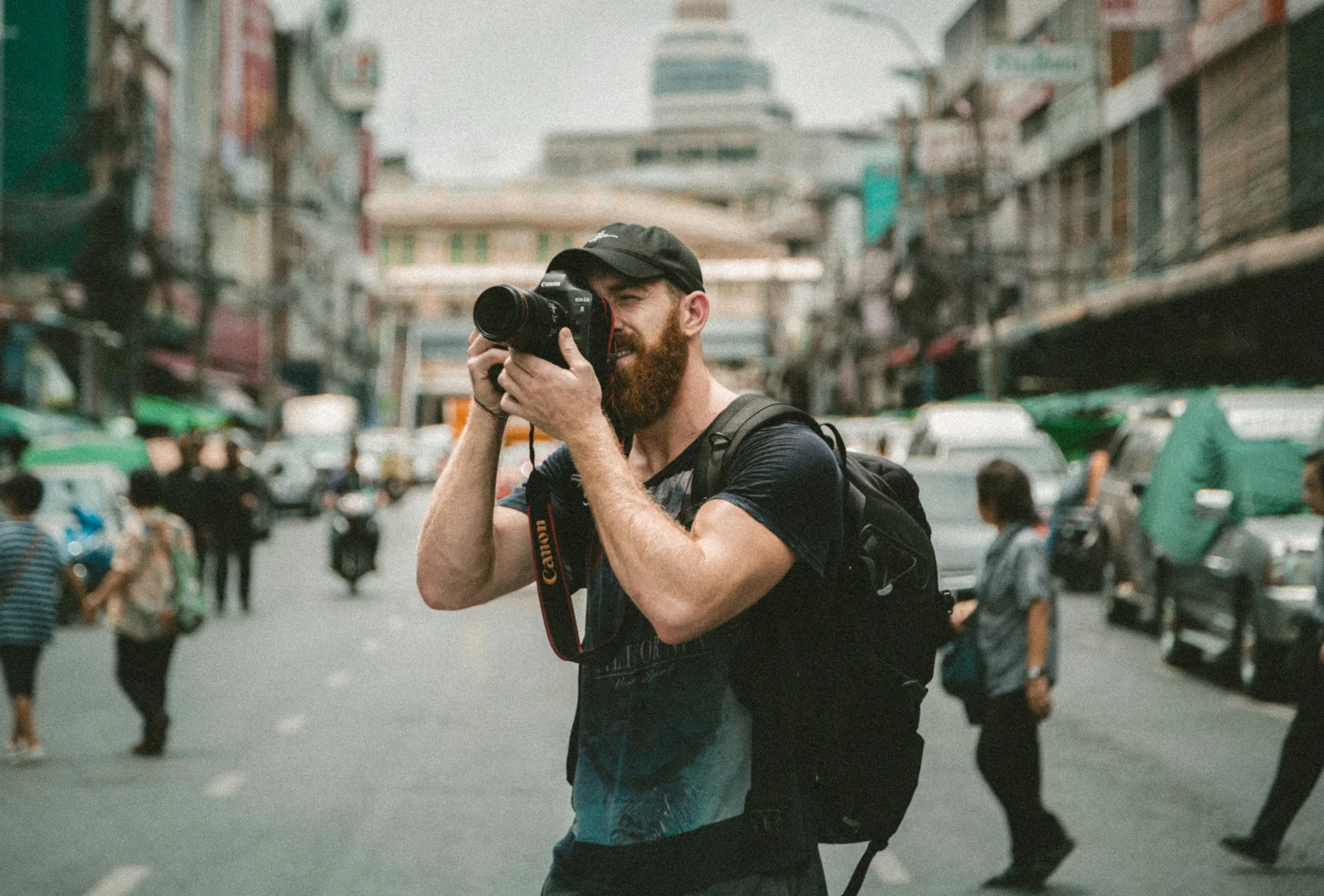
Event photography is more than just showing up with a camera and capturing what happens. Truly memorable event photography tells a story, preserves emotion, and allows people to relive moments long after the day has passed.
Whether it’s a wedding, corporate gala, birthday celebration, or product launch, the difference between ordinary photos and unforgettable ones lies in intention, timing, and connection.
Let’s break down what really makes event photography stand out.
1. Authentic Emotions, Not Just Posed Smiles
The most powerful images are rarely the perfectly posed ones. They’re the in-between moments:
- The laughter during a heartfelt speech
- The proud glance between parents
- The quiet nervous breath before stepping on stage
- The spontaneous dance move no one expected
Memorable photography captures real emotion. When viewers look at the image and feel something — joy, nostalgia, excitement — that’s when it becomes timeless.
2. Strong Storytelling from Start to Finish
A great event photographer doesn’t just take random shots — they document the entire journey:
- The preparation and anticipation
- The key highlights and main activities
- The reactions of guests
- The closing moments
When the photos are viewed together, they should unfold like a story. You shouldn’t just see what happened — you should understand the atmosphere, energy, and significance of the day.
3. Attention to Details That Others Miss
Details bring depth to event photography. These small but meaningful elements often get overlooked:
- Table settings and décor
- Name cards and branded materials
- Floral arrangements
- The lighting ambience
- Guests interacting in the background
These details help recreate the full experience. Years later, these images bring back the exact feel of the event.
4. Mastery of Lighting and Composition
Lighting can make or break an image — especially at events where conditions constantly change.
Memorable photographers know how to:
- Adapt to low light without losing quality
- Use natural light creatively
- Balance flash with ambient light
- Frame subjects in a visually pleasing way
Good composition ensures the subject stands out without distractions, making the photo clean, powerful, and professional.
5. Capturing Candid Moments Naturally
The magic often happens when people forget the camera is there.
A skilled photographer blends into the background, anticipating moments before they happen. Instead of interrupting the flow of the event, they observe quietly and capture genuine interactions.
Candid photography adds authenticity — and authenticity is what makes images unforgettable.
6. Understanding the Client’s Vision
Every event has a purpose.
- A corporate event may need professional, brand-focused images.
- A wedding needs emotional storytelling.
- A birthday party might require vibrant, energetic shots.
When a photographer understands the client’s goals, the photos align perfectly with the event’s intention. That alignment is what transforms good photography into exceptional work.
7. Timing Is Everything
In event photography, seconds matter.
The exact moment of:
- The applause
- The confetti drop
- The award presentation
- The surprise reaction
Being ready at the right time separates amateurs from professionals. Anticipation is a skill — and it’s crucial for capturing iconic shots.
8. Professionalism and Presence
Memorable photography isn’t just about the images. It’s also about the experience:
- Being punctual
- Dressing appropriately
- Communicating clearly
- Staying calm under pressure
When guests and organizers feel comfortable around the photographer, it reflects in the images. Relaxed people create better photos.
Final Thoughts
What makes event photography truly memorable isn’t just technical skill — it’s the ability to preserve emotion, tell a story, and capture moments that matter.
A great event photo doesn’t just show you what happened.
It makes you feel like you’re there again.
And years later, when you flip through those images, you don’t just remember the event — you relive it.


